Skip to content

Free Delivery Over £24.99 by DPD 🚚

Over 900 Offices Served

4.8/5 From Over 148,000 Happy Customers

Sports Nutrition

Welcome to our Sports Nutrition range: high-protein snacks and drinks, pre- and post-workout fuel, energy drinks, electrolytes and supplements, all built to help you make the best gains possible from every workout.

We know how much nailing your nutrition matters for your performance, whether that's in the gym or playing sport. We've pulled together the best sports nutrition snacks, drinks and more, so you have the energy to get through the toughest sessions and recover in time for the next one.

Browse the full range and top up your diet with the snacks, drinks, foods and supplements that make your next workout your best one yet. Available as singles or by the case, with free UK delivery over £24.99

Protein Bars

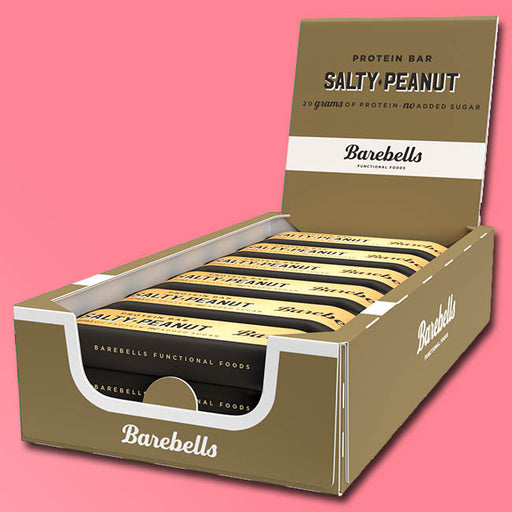
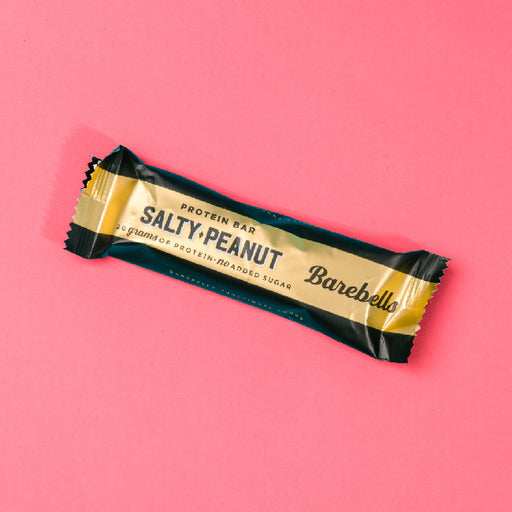
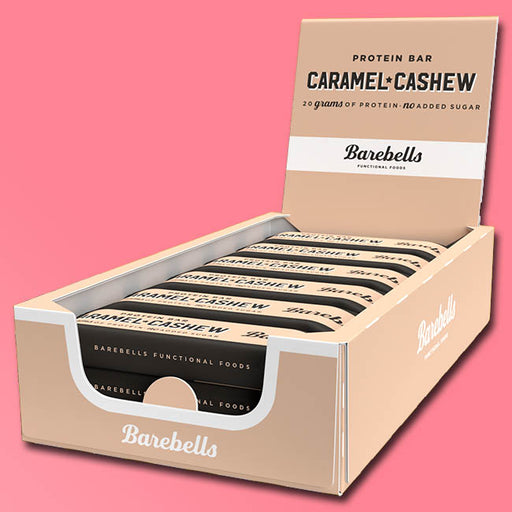
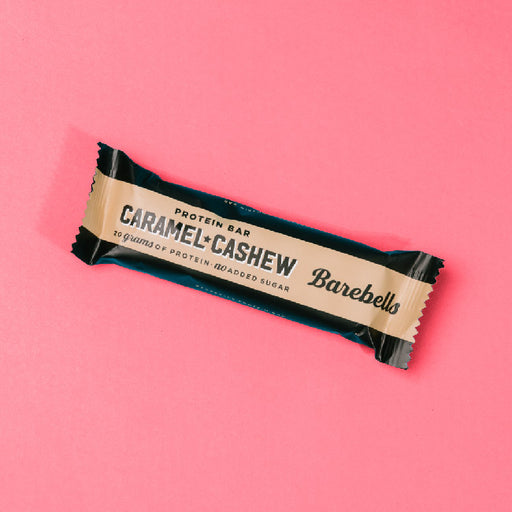
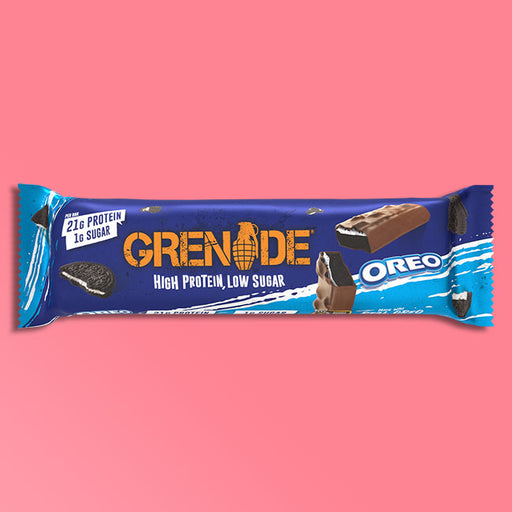
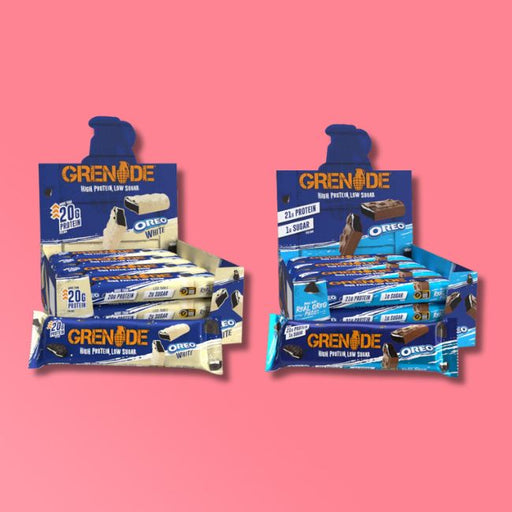
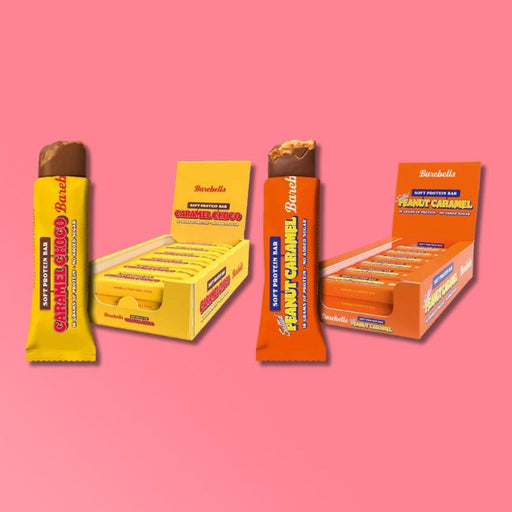
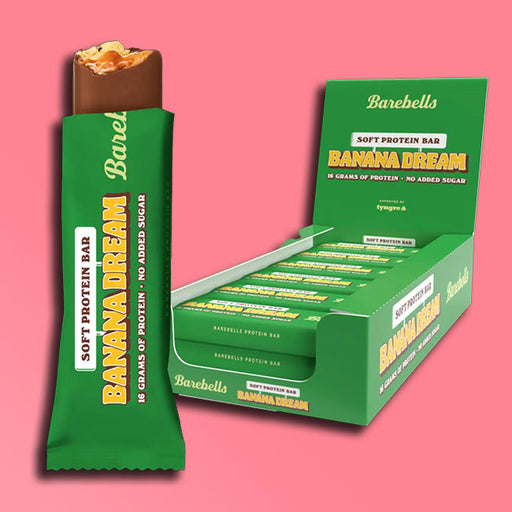
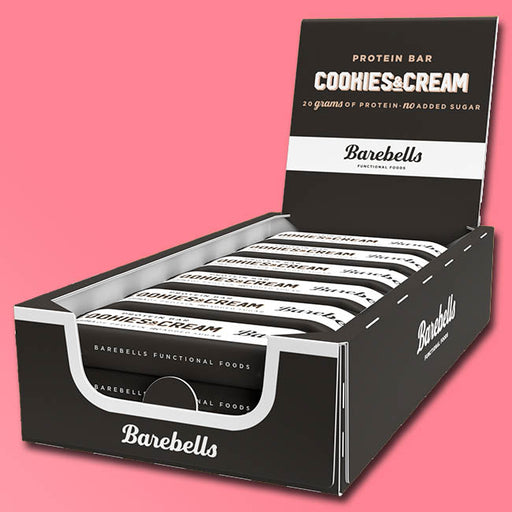
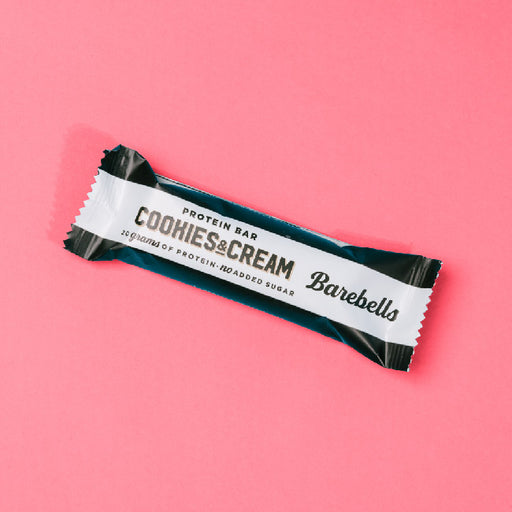
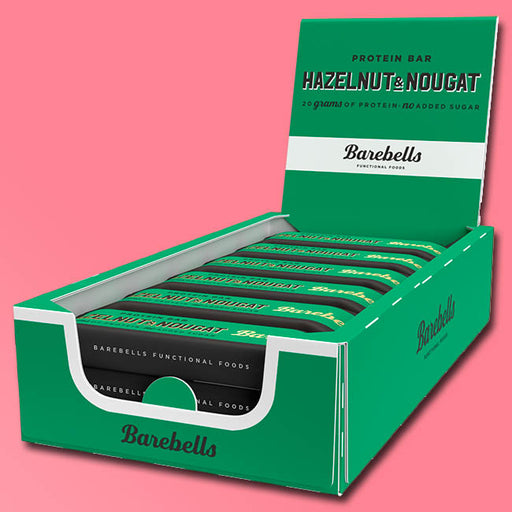
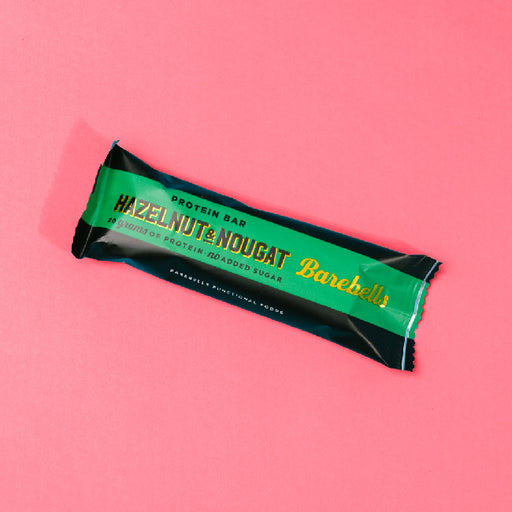
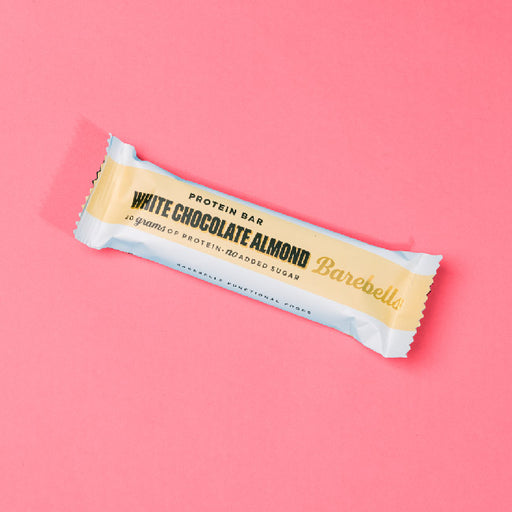
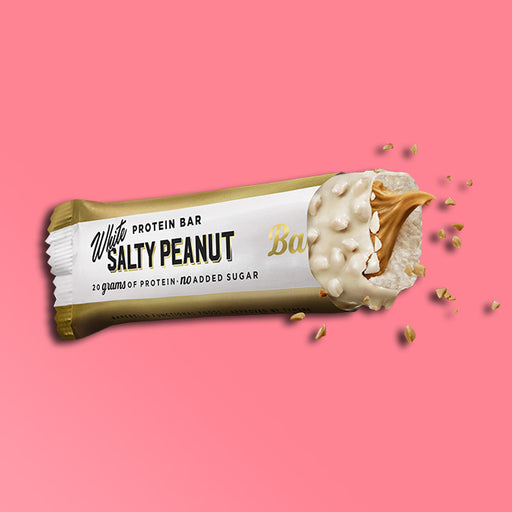
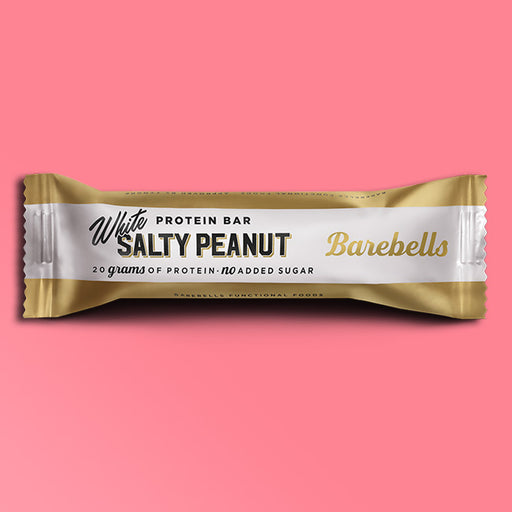
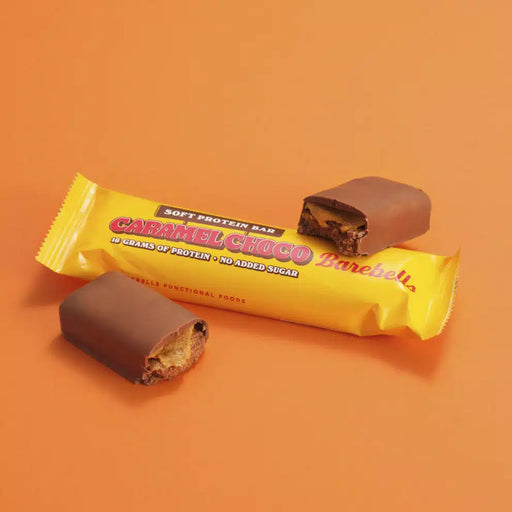
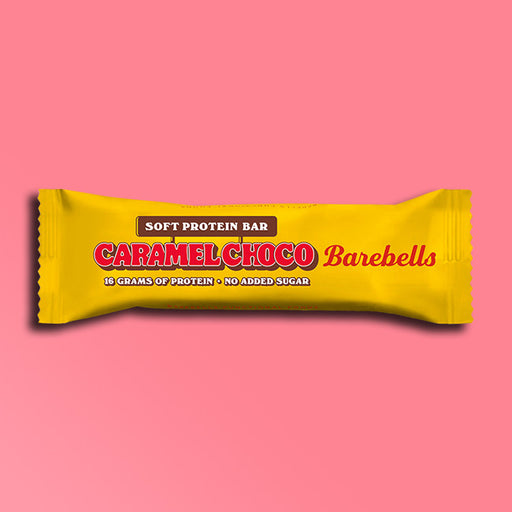
Our collection of high protein bars includes best sellers such as Barebells, Grenade and Trek. Plus we have options for almost every high protein diet, from vegan protein bars with misfits, to low sugar options.

Protein Shakes

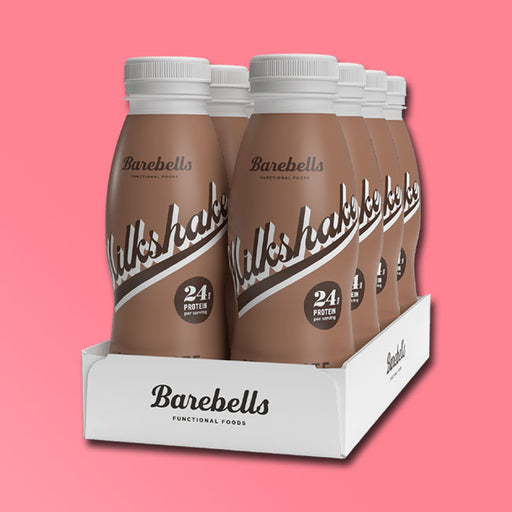
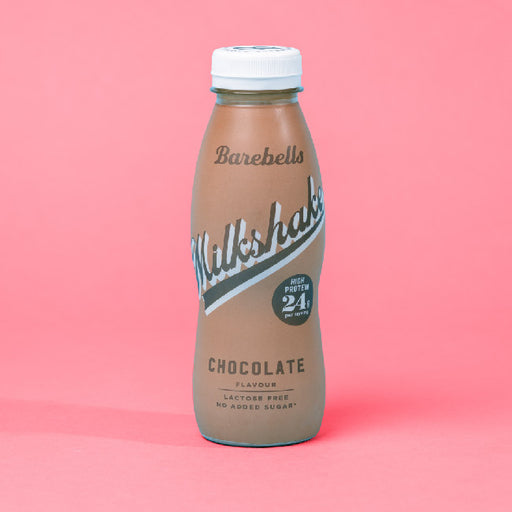
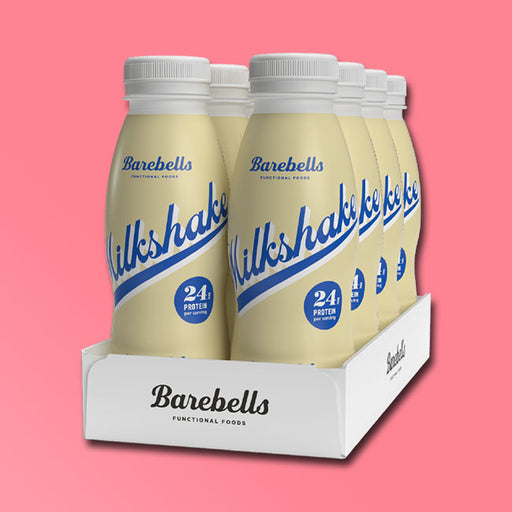
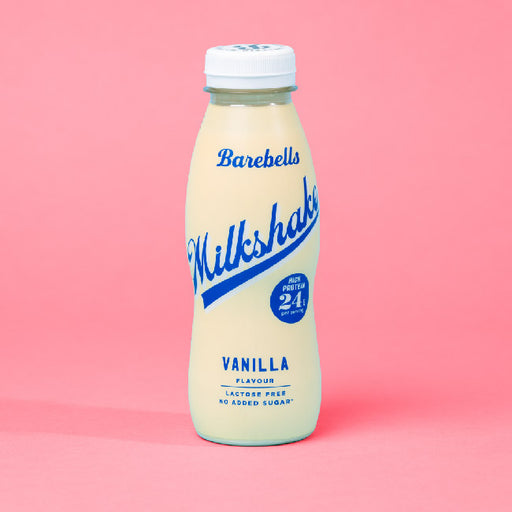
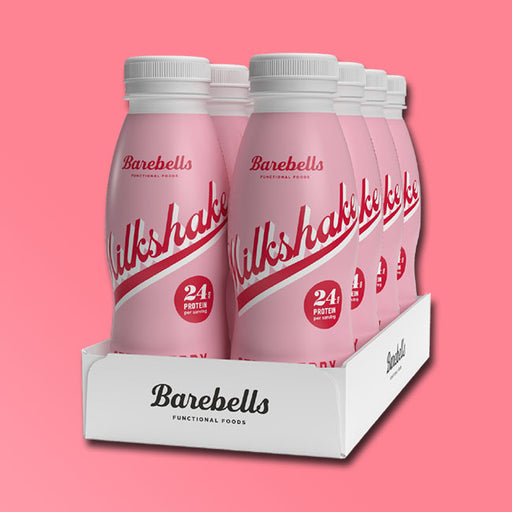
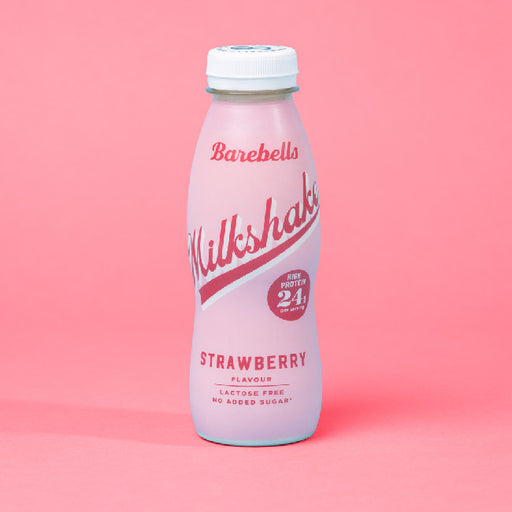
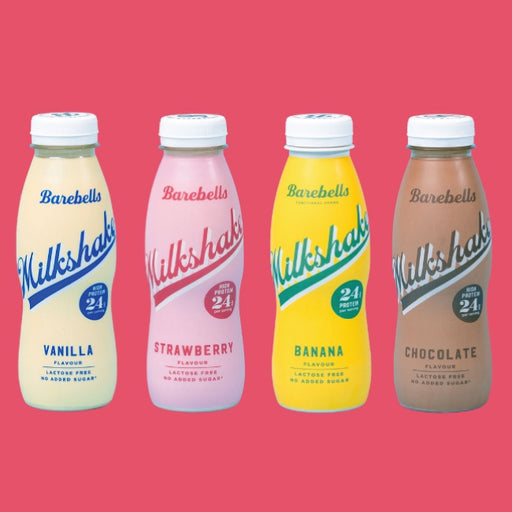
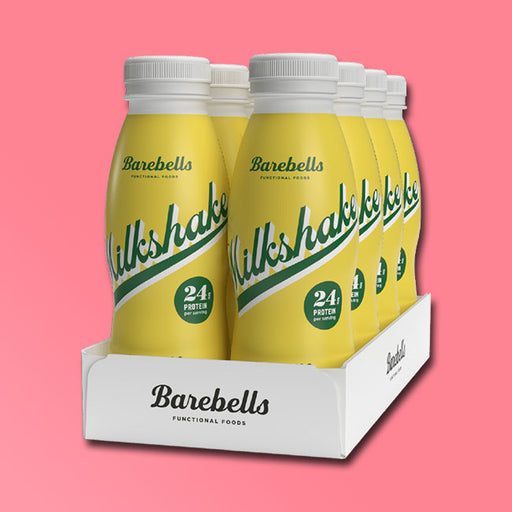
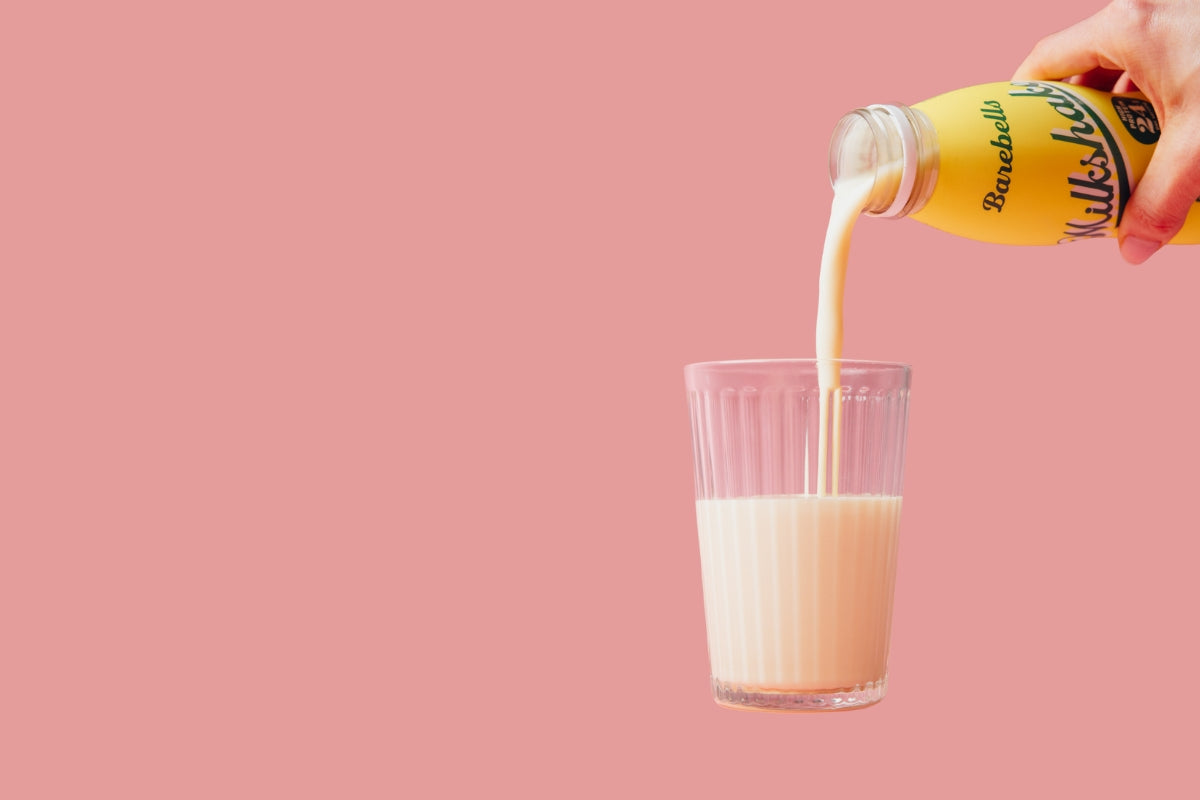
Get your protein fix with ready-to-drink protein shakes, easy to grab on the go, perfect for busy lifestyles.

Nut Bars

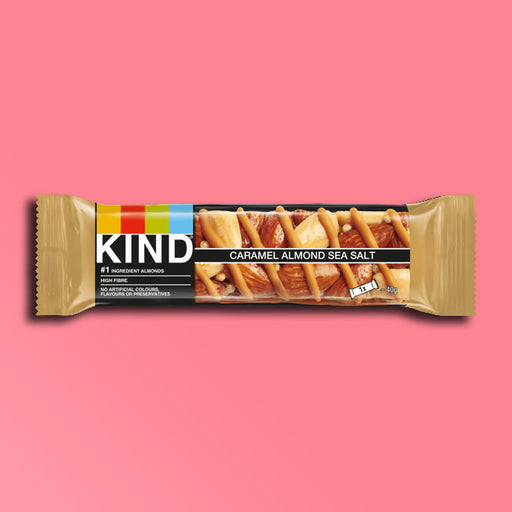
Take a look at our range of delicious nut bars from Deliciously Ella's Fruit, Nut and Seed bars to Eat Natural's nutritious yoghurt coated bars.

Pre-Workout Drinks

NOCCO drinks are perfect for pre-workout, to boost energy levels with a tasty fix.

Produced by the No Carbs Company, NOCCO Energy Drinks are sugar free, carbonated, ready-to-drink beverages packed with BCAAs and vital vitamins. NOCCO BCAA drinks are low-calorie bursts of energy to help fuel your muscles during exercise and aid in muscle repair.

NOCCO is available in delicious flavours such as Caribbean, Blood Orange, Juicy Melba, Ramonade and Limon Del Sol.

Best protein snacks for your goal

Not every snack does the same job. Here is a quick way to pick.

For weight loss and lower calories

High protein, lower calorie snacks that keep you full between meals. Biltong, protein crisps and lighter bars do the work without much sugar.

For muscle and recovery

Bigger protein hits for after training. Bars with 20g or more of protein, plus ready-to-drink shakes when you want it fast.

For energy on the go

Grab-and-go fuel for busy days and pre-gym. Flapjacks, dried fruit and functional drinks travel well and give you carbs when you need them.

What to eat before and after the gym

Before a workout

Aim for something with carbs for energy and a bit of protein, 30 to 60 minutes before you train. A flapjack, a banana with nut butter, or a bar with a good carb-to-protein balance all work. Keep it light enough to sit well while you move.

After a workout

Protein helps your muscles recover, so this is the moment for a shake, a high-protein bar or a savoury option like biltong. Pairing protein with some carbs helps you refuel after a hard session.

Low sugar and vegan options

Low sugar

Plenty of protein snacks carry more sugar than you would expect. Our low-sugar range keeps the protein high and the sugar down, so you can train and snack without the sugar spike.

Vegan and plant-based

Plant-based protein snacks and shakes that fit a vegan diet, from pea-protein bars to dairy-free ready-to-drink shakes. Every product is labelled so you can check at a glance.

Electrolytes and hydration

When you sweat, you lose more than water. Electrolytes like sodium, potassium and magnesium help your body hold onto fluid and keep your muscles working normally. Our range covers zero-sugar sachets, tablets and ready-to-drink hydration for training days, hot weather and long sessions.

Single-serve sachets

Not ready to commit to a full tub? Grab single-serve sachets of protein, electrolytes and greens. One serving, easy to drop in a gym bag, handy as a backup in your kit. A low-risk way to test a flavour before you buy the big one.

Protein powders and supplements

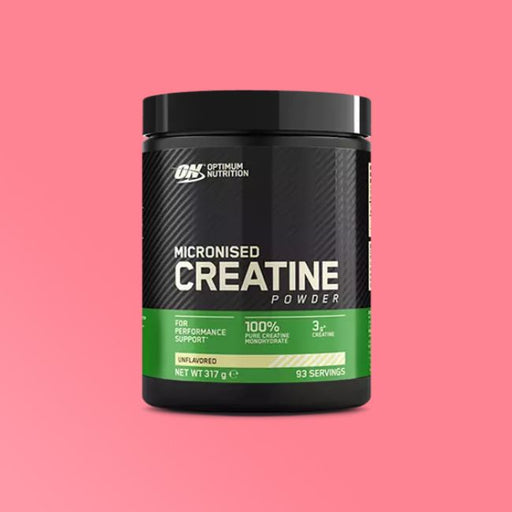
The staples, ready when you need them. Whey and plant-based protein powders for your daily protein target, plus creatine, one of the most researched supplements for strength and power training. Available in tubs and single sachets.

FAQ's

What does creatine do, and how do I take it?

Creatine is one of the most researched supplements for strength and power. It can increase physical performance in short bursts of high-intensity exercise. A common approach is around 3 to 5g a day, taken consistently.

What are electrolytes and do I need them?

Electrolytes are minerals like sodium, potassium and magnesium that help your body balance fluid and keep your muscles working. For everyday activity, water and a normal diet cover it. After heavy sweating, a long session or a hot day, an electrolyte drink helps you rehydrate.

When should I use electrolytes?

Most useful during or after long or intense training, in hot weather, or any time you have sweated a lot. For a short, easy workout, water is usually enough.

Are electrolyte drinks better than water?

Not for everyday hydration, where water does the job. They come into their own when you have lost a lot of fluid and salts through sweat and need to replace both.

What should I eat before the gym?

Something with carbs and a little protein, 30 to 60 minutes before you train. A flapjack, a banana with nut butter, or a balanced bar all do the job.

What are the best vegan protein snacks?

Pea and soy protein bars, roasted chickpea and edamame snacks, and dairy-free protein shakes all pack in plant protein. Check the label for the protein content per serving.

What are good savoury high-protein snacks?

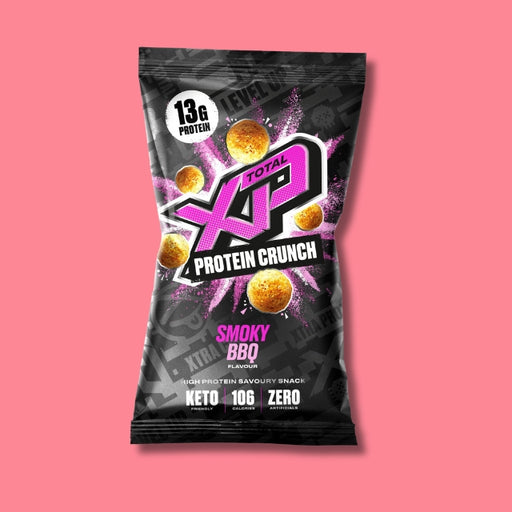
If you would rather skip sweet bars, biltong, meat snacks and protein crisps give you a savoury hit of protein with very little sugar.

What are the best high-protein snacks for weight loss?

Look for snacks with a lot of protein and fewer calories, since protein helps keep you full between meals.
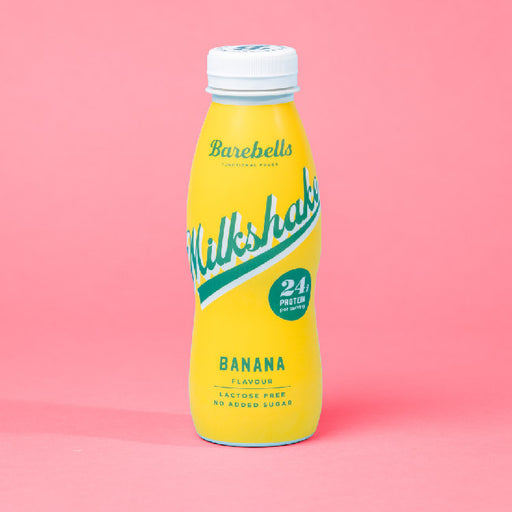
Is a protein bar or a protein shake better?

Both deliver protein, so it comes down to when and where. A shake is quick to drink and easy to digest around training. A bar travels better and works as a snack through the day. Many people use both.
Are protein bars good for you? Is it OK to eat one every day?

A protein bar is a convenient way to top up your protein, and eating one a day is fine for most people as part of a balanced diet. Check the label for sugar and calories if you are watching either, since bars vary a lot.

What is protein?

Protein is a nutrient which contributes to the maintenance and growth of muscle mass.

While commonly found in animal products like meat and dairy, protein also exists in various plant-based sources such as nuts and legumes. Comprised of amino acids, these organic compounds consist of carbon, hydrogen, oxygen, and nitrogen, collectively serving as the fundamental building blocks for bodily functions.

In regards to sports nutrition, ensuring an adequate protein intake from diverse dietary sources is paramount. This evolving market now includes a wide range of protein-packed options like protein bars, perfect for convenient on-the-go snacking, ready-to-drink protein bottles and protein powders that that can be mixed with water, juice or milk to make a protein shake.

How much protein should I eat in a day?

For those immersed in an active lifestyle, the recommended daily protein intake generally falls within the range of 1.6 to 2.2 grams of protein per kilogram of body weight. Bodybuilders and strength athletes may need a higher amount of protein, than casual gym goers looking to increase their general fitness.

This guideline acts as a compass, ensuring that your body receives the essential nutrients needed to support the demands of physical activity and overall well-being. We would always recommend seeing a doctor or nutritionist to get an in-depth understanding of exactly how much you should be eating, for your lifestyle.

Do I need to eat more protein if I play sports or workout?

Yes, if you exercise you will need to eat more protein, as recommended above, to help with muscle and bone recovery and to aid in muscle growth and gaining strength. We would recommend that anyone who takes part in resistance training and sports training multiple times a week aim for 2.2grams of protein per KG, as opposed to 1.6grams.

What are the different types of protein?

Protein can be divided into two categories: Animal proteins and Plant-based proteins. Animal proteins include whey, casein, egg, beef and chicken. Plant-based proteins include soy, pea, brown rice and chickpea.

Two of the most common types of protein powders are whey protein and casein protein. Both of these proteins come from milk. Whey is the liquid that separates from the curds which is the casein. 

Whey protein is commonly consumed post-workout, along with simple carbohydrates, as it is a fast-digesting protein source and can help kick-start muscle protein synthesis, which helps your muscles recover and grow bigger and stronger.

Do I need carbohydrates if I exercise?

Carbohydrates are the body's main source of energy. When carrying out intense exercise, our bodies use stored glycogen, which is made from consuming carbohydrates. Carbohydrate feedings before exercise can help to restore glycogen stores, which may be called upon during prolonged training and in high-intensity competition. Fast acting carbohydrates should also be consumed post-workout to help with the recovery process and to replenish glycogen stores.

What should I eat post-workout?

Following a workout you should aim to consume a fast-acting carbohydrate such as maltodextrin, dextrose or cyclic dextrin, along with some fast acting protein such as whey protein powder.

Drinking this will help start the recovery process, and replenish glycogen stores. How much you need to consume will depend on your bodyweight, calorie and macro goals, and the exercise performed. 

We stock a variety of options from protein drinks to high-carbohydrate snacks to help you make the perfect post-workout choice.

What are the benefits of a high-protein diet? 

A high-protein diet serves as a cornerstone for overall health and vitality. Protein is essential for helping to repair muscle after exercise and aids in muscle and strength growth. Protein can also help with weight loss and weight management, as a high protein diet can help with sustaining energy levels throughout the day and you feel fuller for longer. This can reduce snacking and over-eating.

How much protein should I eat a day?

For those immersed in an active lifestyle, the recommended daily protein intake generally falls within the range of 1.6 to 2.2 grams of protein per kilogram of body weight. Bodybuilders and strength athletes may need a higher amount of protein, than casual gym goers looking to increase their general fitness.

This guideline acts as a compass, ensuring that your body receives the essential nutrients needed to support the demands of physical activity and overall well-being. We would always recommend seeing a doctor or nutritionist to get an in-depth understanding of exactly how much you should be eating, for your lifestyle.

Do I need to drink a pre-workout before the gym?

No - a pre-workout drink is not essential before you exercise. However, a pre-workout supplement can help provide you the “pick me up” needed after a tiring day, or if you’re training early in the morning after waking up.

We stock a variety of pre-workout options from non-stimulant pre-workouts, to high-caffeine energy drinks such as NOCO and C4 amino energy drinks.

What is a protein shake?

Protein shakes are drinks with high protein content, used to help supplement your diet. They are commonly made from protein powder, but can also be bought in “Ready-to-drink” bottles. Protein shakes can be derived from lactose but vegan protein shakes are also available. We have tons of protein drinks to pick from on site - to help you hit your fitness goals.

Are protein shakes actually good for you?

Yes - protein shakes can be good for you and your diet - if you follow a well-balanced diet full of whole foods that hits your calories and macronutrient goals.

If you’re following a high protein diet, and struggle to hit your protein intake from whole foods, then drinking protein shakes can be a good supplement for your diet.

Different kinds of protein shakes may contain vitamins, minerals and other ingredients that can help your health.

When is the best time to consume protein shakes? 

The best time to drink a protein shake is post-workout. This will help facilitate effective muscle recovery after you have completed a workout and are looking to kickstart the recovery process.

Protein shakes can also be drunk as a meal replacement when a rapid source of high-quality protein is required. Drinking a protein shake in between meals can also help with weight management, by making you feel full and preventing snacking on “junk” food.

Do you offer keto friendly sports-nutrition?

Yes! We stock a wide range of keto-friendly snacks that can provide you with the energy required for intense workouts whilst following a keto diet.

Are there gluten-free options in your high-protein product range? 

Yes! We proudly offer a curated selection of gluten-free high-protein snacks, ensuring that individuals with dietary restrictions can revel in delicious and nutritious options that align seamlessly with their health goals. 

Our dedication to providing a diverse range of snacks means that everyone, regardless of dietary requirements, can enjoy the delightful experience of our high-protein offerings.