Skip to content
Free Delivery Over £24.99 Plus 1 Tree Planted 🌱

What Are Non Ultra-Processed Foods? Everything You NEED To Know

According to the British Heart Foundation, more than half of the calories consumed in the UK come from ultra‑processed foods. That includes ready meals, biscuits, sweets, crisps, and sugary drinks. Even foods that are marketed as healthy, like many flavoured yoghurts, are laden with additives and minimal wholesome ingredients.

The rise of ultra-processed foods (or UPFs) is now linked to growing health concerns. Research suggests strong links between high UPF consumption and conditions like obesity, type 2 diabetes, heart disease, and poor mental health. But what if there’s a better way to eat?

That’s where non ultra-processed foods come in.

In this blog, we’ll break down exactly what non ultra-processed foods are, how they differ from processed and ultra-processed options, and why they’re worth paying attention to. You’ll also learn how to spot UPFs on supermarket shelves, what ingredients to avoid, and how to make gut-friendly, nutritious swaps without giving up on flavour or convenience.

What Does “Non Ultra‑Processed” Really Mean?

Non ultra-processed foods are items made with little to no industrial processing. They’re often made from whole ingredients and don’t contain additives like emulsifiers, artificial sweeteners, colourings, or
preservatives.

Think of foods like:

  • tinned beans in water
  • natural yoghurt with no added sugar
  • wholegrain pasta
  • plain frozen fruit or vegetables
  • unsalted nuts
  • rolled oats

These are all considered non ultra-processed because they’ve been lightly processed to make them safe, long-lasting, or easier to eat—without changing the food’s natural structure or adding synthetic
ingredients.

In contrast, ultra-processed foods are designed for long shelf life, convenience, and flavour enhancement. They often contain ingredients you wouldn’t use at home—such as maltodextrin, hydrogenated oils, flavour enhancers, or artificial colours.

Examples include:

  • packaged cakes and pastries
  • fizzy drinks
  • instant noodles
  • meat substitutes with long ingredient lists
  • sweetened breakfast cereals

The goal of eating more non-UPF foods isn’t about perfection. It’s about cutting back on synthetic extras and choosing foods that support your health and digestion.

The NOVA Classification System Explained

The NOVA classification system is a food categorisation tool developed by researchers at the University of São Paulo in Brazil. It groups foods based on how much processing they’ve undergone, not just their nutrient content. This system is now widely used by nutrition experts and public health organisations
worldwide.

NOVA’s Four Food Categories

Group 1: Unprocessed or Minimally Processed Foods

These are natural foods that may have been cleaned, frozen, or packaged, but remain close to their original state.

Examples: fresh vegetables, dried pulses, brown rice, plain oats, natural yoghurt.

Group 2: Processed Culinary Ingredients

Ingredients extracted from Group 1 foods used in home cooking.

Examples: olive oil, butter, sugar, salt.

Group 3: Processed Foods

Group 1 foods combined with ingredients from Group 2 to make them last longer or taste better.

Examples: tinned vegetables with added salt, cheese, fresh bread.

Group 4: Ultra-Processed Foods (UPFs)

Industrial products made mostly from cheap ingredients, additives, and flavour enhancers. These foods are far removed from anything you’d cook with at home.

Examples: fizzy drinks, chicken nuggets, crisps, packaged biscuits, flavoured yoghurts with thickeners.

The difference between non ultra-processed foods (mainly Groups 1–3) and UPFs (Group 4) is significant. Ultra-processed foods are linked to health issues including obesity, heart disease, and poor gut health. That’s why the NOVA system matters. It helps people understand food beyond calories and labels.

Common Ingredients Found in Ultra‑Processed Foods

Spotting ultra‑processed foods starts with knowing what to avoid. Many products look healthy on the outside but contain ingredients designed more for shelf life, flavour, or texture than for nutrition.

Ingredients Commonly Found in UPFs

  • Emulsifiers– Used to blend oil and water, often found in creamy sauces, ice cream, and some breads. Example: polysorbate 80, mono- and diglycerides of fatty acids.
  • Preservatives– Added to stop spoilage and extend shelf life. Example: sodium nitrite (in processed
    meats), potassium sorbate.
  • Artificial Sweeteners – Zero-calorie sugar substitutes used in diet products. Example: aspartame, sucralose, saccharin.
  • Flavour Enhancers – Boost taste without real ingredients. Example: monosodium glutamate (MSG),
    yeast extract.
  • Colourings – Improve appearance, especially in sweets, drinks, and flavoured yoghurts.Example: tartrazine, carmine, titanium dioxide.
  • Thickeners and Gums – Create texture in low-fat or processed foods. Example: carrageenan, xanthan gum, guar gum.

Why These Ingredients Matter

These additives may seem harmless, but some studies link them to disrupted gut bacteria, increased inflammation, and reduced satiety. For example, emulsifiers have been shown to interfere with gut health in animal studies, while some preservatives may contribute to digestive discomfort or intolerance in sensitive individuals.
How to Spot Red Flags on Packaging

Look at the back of the label. A long list of unfamiliar or chemical-sounding ingredients is often a sign of an ultra‑processed food. If you wouldn’t cook with it at home, it probably doesn’t belong in your everyday diet.

Are All Processed Foods Bad?

Not all processing is harmful. In fact, some processed foods are essential for convenience, nutrition, and safety.

Understanding the Spectrum of Processing

The term “processed” covers a wide range of foods. It includes everything from frozen peas and pasteurised milk to fizzy drinks and packaged pastries. What matters is how the food is processed — and what’s added during that process.
  • Minimally processed foods: These include chopped vegetables, tinned tomatoes, frozen fruit, or plain yoghurt. They are altered for convenience but retain their nutritional value.
  • Culinary ingredients: Items like salt, oil, and flour are processed but often used in home cooking.
  • Heavily processed foods: These are ultra‑processed products filled with additives, flavourings, and sugars that you wouldn’t use in a home kitchen.

The Key Difference: Additives and Intent

Non ultra‑processed foods are usually made with whole or recognisable ingredients and minimal additives. Ultra‑processed foods often contain artificial compounds, industrial fats, and sugars designed to be hyper‑palatable.

The intent matters too. Processing to preserve nutrients (like freezing or drying) is very different from processing to create addictive textures or fake flavours.

Choose Smart, Not Strict

Avoiding all processed foods isn’t realistic or necessary. Focus instead on limiting ultra‑processed options and choosing minimally processed foods made with ingredients you recognise and trust.

Examples of Non Ultra‑Processed Foods

Understanding which foods are truly non ultra‑processed can help you make better choices every day. Here’s a simple guide.

Wholefoods

Wholefoods are unprocessed or minimally altered from their natural state. They form the foundation of a healthy diet.

  • Fresh fruit and vegetables
  • Legumes like chickpeas, lentils and kidney beans
  • Whole grains such as brown rice, quinoa and oats
  • Unsalted nuts and seeds

These foods provide natural fibre, vitamins, minerals and antioxidants — all without additives or artificial ingredients.

Minimally Processed Pantry Staples

Some foods need light processing for safety or convenience, but they still count as non‑ultra processed.

  • Frozen vegetables (no added sauces or sugars)
  • Tinned tomatoes or pulses (with no added preservatives)
  • Natural plain oats
  • Unsweetened nut butters made from 100% nuts

These pantry staples are ideal for cooking from scratch without relying on ultra‑processed shortcuts.

Minimally Processed Snacks

It’s possible to snack smart without turning to highly processed treats. At Snackfully, we stock a wide range of minimally processed snacks made from real ingredients. With brands such as:

  • The Giving Tree Freeze Dried Fruit- The freshest fruits, cleaned and sliced and freeze-dried to deliver an instant boost of flavour and nutrition at any moment, and packed with fibre and energy.
  • What A Date- Individually wrapped and stuffed dates, high in protein with no artificial ingredients.
  • Superfoodio- Superfoodio’s original Peanut Butter Buttons: bite-sized, mess-free, and packed with natural goodness.

These snacks are ideal for on-the-go nutrition without compromising your gut health or diet.

Health Benefits of Choosing Non Ultra‑Processed Foods

Switching to non ultra‑processed foods can have a transformative effect on your overall health — from your gut to your skin.

1. Better Digestion and Gut Health

Non‑UPF foods are typically rich in fibre, plant compounds and natural prebiotics. These feed the beneficial bacteria in your gut microbiome, helping digestion and reducing bloating. In contrast, ultra‑processed ingredients like emulsifiers and artificial sweeteners may harm gut balance and trigger discomfort.

2. Improved Energy and Mood

Wholefoods and minimally processed options release energy slowly. That means fewer sugar crashes, more stable blood sugar, and better mental clarity throughout the day. Studies also suggest diets low in UPFs are linked to lower rates of anxiety and depression.

3. Reduced Inflammation and Chronic Disease Risk

Non ultra‑processed foods contain antioxidants, vitamins and healthy fats. These support your body’s ability to fight inflammation — a key driver behind conditions like heart disease, type 2 diabetes, and some cancers.

A 2023 study published in The Lancet found a strong association between high UPF consumption
and increased risk of cardiovascular disease.

4. Weight Management and Satiety

Natural foods are more filling due to their fibre, protein and water content. This helps reduce overeating and supports healthy weight control. Ultra‑processed foods, on the other hand, are often designed to
be hyper‑palatable and easy to overconsume.

5. Clearer Skin and Stronger Immunity

Diets rich in wholefoods, healthy fats and antioxidants have been linked to improved skin clarity and fewer breakouts. Meanwhile, a healthy gut (supported by real food) plays a major role in immune function — helping you stay well throughout the year.

How to Spot and Avoid Ultra‑Processed Foods

Avoiding ultra‑processed foods isn’t about being perfect — it’s about making informed swaps that support your health. Here’s how to spot UPFs and shop smarter.

Read Ingredient Labels

Ingredient lists offer the biggest clues. Look out for:

  • Additives you wouldn’t cook with at home (e.g. mono‑ and diglycerides, carrageenan, maltodextrin)
  • Artificial sweeteners like sucralose, aspartame, or acesulfame K
  • Preservatives and colourings, such as sodium nitrite or E numbers
  • Long ingredient lists — especially with words you can’t pronounce

If a product has more than 5–10 ingredients and sounds more like a chemistry set, it’s likely ultra‑processed.

Shop the Outer Aisles

Supermarkets are designed to tempt you into UPF-heavy purchases. The most processed options often sit in the middle aisles — think packaged snacks, fizzy drinks, and microwave meals.
Instead:

  • Stick to the outer edges of the store — where you’ll find fresh produce, dairy, wholegrains and more
  • Plan ahead to avoid impulse buys and ultra‑processed “convenience” traps

Easy Swaps to Reduce UPFs

You don’t need to overhaul your diet overnight. Small changes make a big impact:

  • Breakfast: Swap instant porridge pots for plain oats with fresh fruit
  • Snacks: Choose nuts, seeds or non‑UPF snack bars instead of crisps
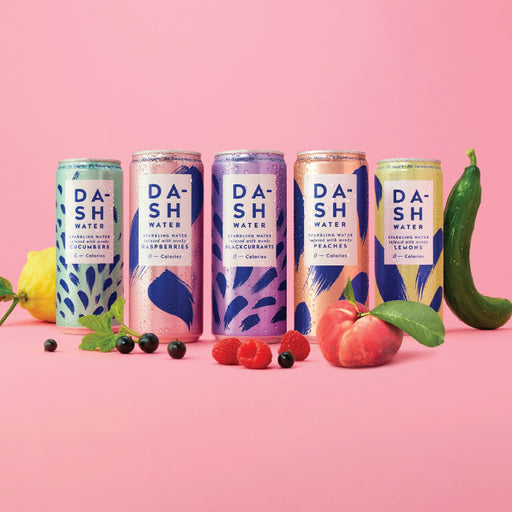
  • Drinks: Try infused water, herbal teas or non‑UPF drinks instead of fizzy drinks
  • Condiments: Use olive oil, lemon juice or homemade sauces over ready-made dressings

By learning to recognise UPFs, you’ll naturally make better choices for your gut and long‑term health.

Minimally Processed vs Ultra‑Processed: What’s the Difference?

Not all processed foods are bad. In fact, some processing is helpful — like freezing veg or milling oats. The key is knowing the difference between minimally processed and ultra-processed foods.

What Are Minimally Processed Foods?

These foods are slightly altered for safety, storage or convenience, but they still look close to how they started. Common examples include:

  • Plain frozen vegetables
  • Natural yoghurt
  • Whole oats
  • Cold-pressed oils
  • Unsweetened nut butters

They don’t include artificial additives, preservatives or flavourings. The ingredients are recognisable and typically limited to one or two.

What Are Ultra‑Processed Foods?

Ultra‑processed foods (UPFs) are made in factories using industrial ingredients and techniques. They often contain:

  • Emulsifiers, sweeteners, thickeners
  • Flavour enhancers or artificial colours
  • Additives for shelf life, texture or appearance
  • Ingredients you wouldn’t find in a kitchen

These products are designed to be hyper-palatable and convenient — but they’re far from wholefoods.

Real-World Food Swaps You Can Make

Ultra- Processed to Minimally Processed

  • Fruit snack bar with glucose syrup and flavourings to a banana or handful of berries
  • Flavoured yoghurt with sweeteners and stabilisers to Natural yoghurt with chopped fruit
  • White packaged loaf with emulsifiers to Fresh wholemeal bread from a bakery
  • Instant noodle pots with flavour sachets to Homemade noodles with veg and tamari
  • Fizzy drinks with artificial sweeteners to Sparkling water with lemon or herbs

By making small swaps, you can cut down on UPFs and still enjoy convenience, without sacrificing your health.

Final Thoughts: Eat Less Ultra‑Processed, Not Less Convenient

You don’t need a perfect diet, just a more informed one. Choosing non ultra‑processed foods doesn’t mean giving up flavour or convenience. It’s about making small swaps that add up over time.

Start by reading labels, cooking a bit more from scratch, and choosing snacks with real ingredients. Even replacing just a few UPF items each week can support your gut health, energy levels, and long-term wellbeing.

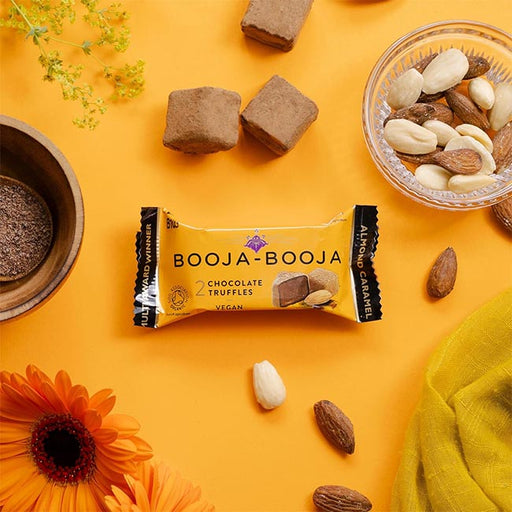
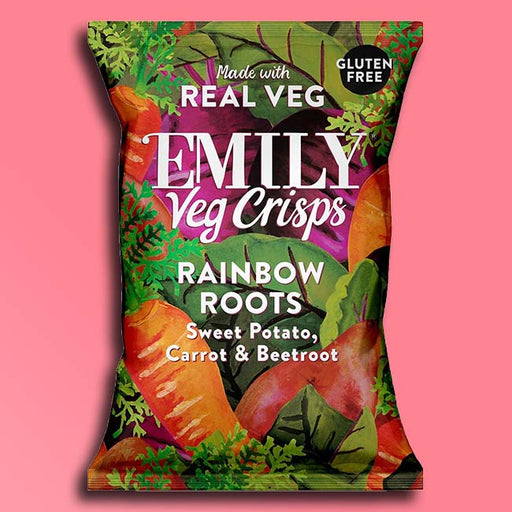
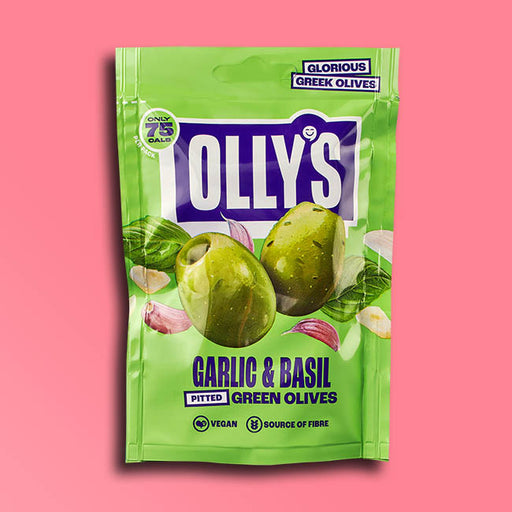
At Snackfully, we make eating better easier. We stock a wide range of non ultra processed foods including non upf bars, none ultra processed crisps, non upf drinks as well as non upf vegan and gluten free snacks.

Get £5 Off Your 1st Order

Receive your first order discount code, special offers & VIP Newsletter subscriber discount codes 😍

Non UPF FAQs

What are the most common non ultra‑processed foods?

Examples include fresh fruit, vegetables, plain oats, unsweetened yoghurt, tinned beans, and whole grains. These foods contain few or no added ingredients and are close to their natural form.

Are all processed foods unhealthy?

No. Some processed foods, like frozen veg or tinned tomatoes, are healthy and convenient. It’s ultra‑processed foods with additives and artificial ingredients that raise health concerns.

Why should I avoid ultra‑processed foods?

Regularly eating ultra‑processed foods has been linked to weight gain, poor digestion, and higher risks of heart disease and cancer. They’re often high in sugar, salt, and fats while lacking fibre and nutrients.

Can snacks be non ultra‑processed?

Yes. Many healthy snacks are made with wholefood ingredients and minimal processing. Look for options with simple ingredients like nuts, seeds, dried fruit, or natural protein bars.

Is “minimally processed” the same as “healthy”?

Not always, but quite often minimally processed foods are considered healthy. Minimally processed foods tend to retain their nutrients and fibre. Always check the ingredient list to make sure it’s free from additives and artificial substances.